Better This World
Afternoon Docs
By Myke Dyer
Saturday, August 4, 2:00pm
The Garafraxa
(USA, 2011, 93 min.)
Directed by Katie Galloway and Kelly Duane de la Vega
Katie Galloway and Kelly Duane de la Vega, Better This World
Our documentary program examines “domestic terrorism” a decade after 9/11 with two engaging films.
In December 2005, Daniel McGowan was arrested by Federal agents in a nationwide sweep of radical environmentalists involved with the Earth Liberation Front, a group the FBI has called America’s “number one domestic terrorism threat.”
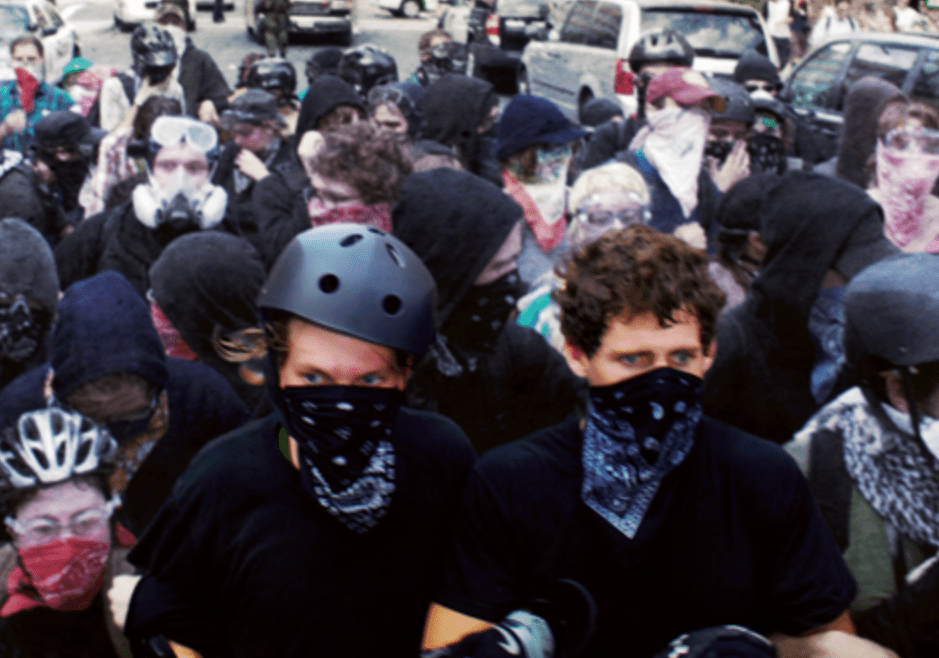
In 2008 two boyhood friends from Midland, Texas wind up arrested on terrorism charges at the 2008 Republican National Convention. They had never attended a protest and were naïve protestors.
Both stories are very different. Different people, different crimes. However, both films in this series deal with notions of idealism, loyalty, crime and betrayal, going to the heart of the War on Terror and its impact on civil liberties and political dissent in post-9/11 America.
Since the attacks on the twin towers, the word terrorist has a new meaning in the minds of North Americans. From sensational media reports to the fear generated by federal law officials it’s also a word that holds weight in legal proceedings. Insert the word “terrorist” next to an accused’s name and guilty outcomes will lead to longer sentences, to be served in specially built, maximum security facilities designed to limit communications with the outside world. Since 9/11, the word has been applied to any number of people engaged in a range of activities, from committing actual crimes to coming up with very bad ideas.
“It’s hideous to be called a terrorist,” says Daniel McGowan. “But here I am, facing life, plus 335 years.” As he explains in If a Tree Falls: A Story of the Earth Liberation Front, he’s never considered himself a terrorist. McGowan came to the group out of complete desperation while watching swaths of old-growth forest disappearing in the Pacific North-West.
Director Marshall Curry has extraordinary access to McGowan, as he comes to the case early. While sharing an office with Curry’s wife in New York, McGowan is pulled out of his workplace by the authorities and charged as a former member of the ELF. Intrigued, Curry meets McGowan and starts to trace his personal history with the ELF (his move from New York City to Oregon, his participation in a series of actions, including arsons carefully designed to damage property and stop environmental abuses). If A Tree Falls also takes the viewer into the evolution of the ELF, including interviews with members and considerations of tactics and goals.
As If a Tree Falls reveals, all of the activists have multiple and complicated reasons for what they do and their thinking evolves even as the ELF organization falls apart. One of the prosecutors, Assistant U.S. Attorney Kirk Engdall laments near the end of his work in the case against McGowan, that “I know now that the world is not black and white, it’s not that simple.”
Our second film, Better This World, introduces itself with the frightening sounds of television anchors filtering the news of a terrorist plot against the Republican National Convention (RNC) in 2008. “Disturbing news tonight about homegrown terror,” one of the anchors says, not for the first time, nor for the last. But, the film suggests, viewers should also be disturbed about the ease with which that label “terrorist” is applied.
Among those flagged were David McKay, Bradley Crowder, and Brandon Darby. Hailing from a politically conservative small town and as childhood friends, McKay and Crowder were new to protesting when they first met Darby, whom they came to see as a mentor. A co-founder of Common Ground, an organization dedicated initially to helping Katrina survivors, Darby and his coworkers were confronted daily with suffering left unattended by government agencies. The abuses bothered him, he says: “Why does Homeland Security feel so threatened by our social justice movement? I’d like to know that. Why is Homeland Security harassing aid workers in New Orleans?”
As Crowder and McKay remember, they were inspired by Darby’s devotion and passion. “We are willing,” Crowder says they assured Darby, “[w]e are honestly willing to do things for people that are going to help.”
At the urging of Darby, the young protestors shop for Molotov cocktail makings at a Walmart (caught on surveillance tape), and put together eight of them. They never come close to using them; as they tell it, they never had an intention to do so. Even before the protest starts the two young men are arrested, the FBI somehow awaiting their arrival.
As the case unfolds, filmmakers Katie Galloway and Kelly Duane de la Vega construct the film as an investigation—one that is soon as focused on what the FBI is doing as what McKay and Crowder might have done. The film cuts between federal documents, suspects’ text messages, phone calls, and footage at the RNC, all raising questions about who knew what and when.
As both If a Tree Falls and Better This World follow the intricate legal cases, they come to dishearteningly similar conclusions concerning what McKay calls “the injustice of the justice system.” As the agencies making the cases are determined to win, sometimes at terrible costs, they lose sight of what words and systems can mean, and how means can undermine ends.
With remarkable access to the activists, the prosecutors and the detectives involved, both documentaries contemplate difficult questions and find no easy answers. The filmmakers have created unsettling, thought-provoking, and sympathy-shifting films. Along the way both films ask hard questions about environmentalism, activism, and the way we define terrorism.
 Fabulous Festival of Fringe Film